
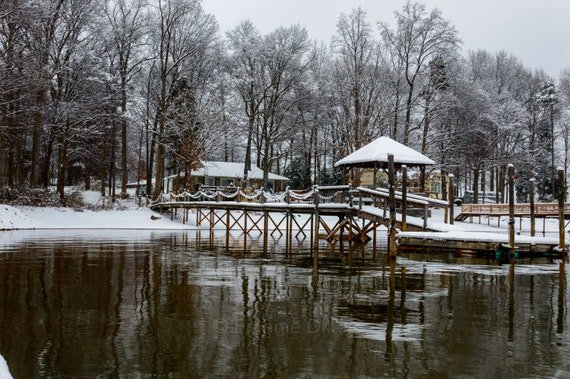
Preparing for Deep Freezes
Winter Care for Woody Landscape Plants (USDA Zone 8a)
This guide applies to landscapes installed by Chris Johnson Landscapes (CJL) and reflects real-world plant performance in the Lake Norman area, which falls within USDA Zone 8a. While winters here are generally mild, periodic deep freezes (especially multi-night events with temperatures in the teens) can raise concerns for homeowners.
Key takeaway: almost all woody plants CJL installs are selected to handle Lake Norman winters once established.
Do You Need to Worry About Deep Freezes in Lake Norman?
If Chris Johnson Landscapes installed your plants more than one year ago, you generally do not need to worry.
Established plants:
- Have insulated root systems
- Are adapted to regional winter lows
- Were selected for long-term performance, not just average winters
Cold-related problems most often occur with new plantings, potted plants, or highly exposed locations, not established landscapes.
Woody Plants vs. Perennials: What Freezes Really Affect
Woody Landscape Plants (Primary CJL Focus)
Woody plants form the permanent structure of the landscape and are inherently more cold-resilient.
Common woody plants used by CJL include:
Deciduous woody plants
- Hydrangeas
- Butterfly bushes
- Rose of Sharon
- Japanese maples
- Dogwoods
Evergreen woody plants
- Arborvitaes
- Hollies
- Camellias
- Azaleas
- Loropetalum
What to expect:
- Established woody plants: no action needed
- Newly planted woody plants (under 12 months): light precautions may help
- Some broadleaf evergreens: some winter leaf damage is normal and cosmetic
Fast-Growing Evergreens and Winter Leaf Drop
Fast-growing broadleaf evergreens often show more noticeable leaf loss after deep freezes, even when healthy.
Examples include:
- Chindo Viburnum
- Other vigorous evergreen screening plants
This leaf drop can look dramatic but does not indicate plant failure. These plants typically rebound quickly once spring growth begins.
Herbaceous Perennials in Winter
CJL uses perennials selectively, commonly including:
- Daylilies
- Hostas
- Irises
These plants naturally die back in winter, store energy below ground, and are not harmed by freezing temperatures. Dead foliage after a freeze is expected and temporary.
When Winter Protection Actually Makes Sense
Newly Planted Shrubs and Trees (First Year)
Roots are still establishing and benefit from basic protection:
- Water deeply 24–48 hours before a hard freeze
- Maintain 2–3 inches of mulch over the root zone
- Wrapping is rarely necessary in Zone 8a
Potted Plants During Freezes
Containers are the highest-risk scenario in winter.
Key points:
- Pots freeze faster than in-ground soil
- Even cold-hardy plants can suffer root damage
- Freeze–thaw cycles are the main concern
Best practices:
- Move pots closer to the house or into a garage
- Group containers together
- Avoid leaving pots elevated off the ground
Broadleaf Evergreens in Exposed Locations
Plants in windy areas, open slopes, or south- and west-facing exposures may experience:
- Leaf burn
- Temporary discoloration
- Increased leaf drop (especially fast growers)
These symptoms are usually cosmetic and temporary.
Common Winter Mistakes to Avoid
- Pruning before or immediately after a deep freeze
- Fertilizing cold-stressed plants
- Wrapping plants tightly in plastic
- Assuming leaf damage equals plant death
Cold damage often looks worse than it is.
What to Expect in Spring After a Deep Freeze
- Damaged evergreen leaves may drop
- New growth replaces winter injury
- True cold-related plant failure is uncommon in established Zone 8a landscapes
When plants struggle, the cause is usually drainage issues, root disturbance, or container exposure, not temperature alone.
Bottom Line: Winter Plant Care in the Lake Norman Area
- Established Chris Johnson Landscapes plantings are built for Lake Norman winters
- Focus attention on new plantings and potted plants
- Fast-growing evergreens (especially Chindo Viburnums) may drop more leaves but recover quickly
- When in doubt, wait until spring before taking action